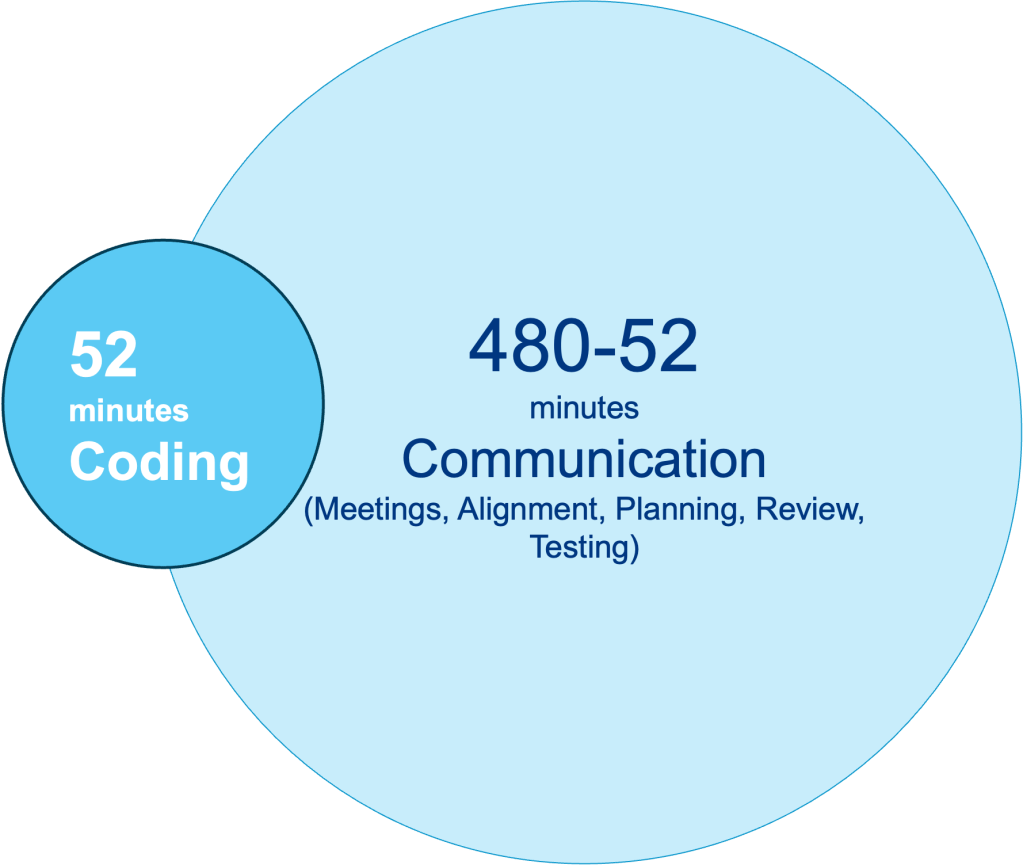
In modern software projects, most of our effort goes not into coding — but into talking in Meetings, clarifications, tickets, re-alignments, and documentation eat away precious hours. —– GitHub’s Global Code Time Report.
The average developer spends about 480 – 52 = 428 minutes per day communicating and only 52 minutes coding.
1. The Problem: 90% Communication, 10% Coding
The root cause from our daily oral speaking.

- Unstructured communication brings cost.
- Misunderstandings between people.
- Massive rework and wasted effort.
- No single source of truth.
2. The Solution: Shift From “How” to “What”
Do we have another way to fix it ? BDD, TDD, DDD or SDD
The definiation: Spec-Driven Development is a methodology that prioritizes creating clear, structured specifications. Structured specification—a single source of truth—is created before any code is written, and this specification becomes the executable contract that drives, validates, and documents the entire engineering process.
The machines not only write “Java Code”, but also write “User Story”
Specs becomes the new source code of communication

The process can be broken down into clear, validated 4 phases:
- Specify: A human provides a high-level description of the feature or product, and an AI agent generates a detailed, structured specification that captures the intent, behaviors, and requirements.
- Plan: The spec is translated into a technical plan outlining the architectural decisions, research tasks, and overall strategy for implementation.
- Tasks: The plan is broken down into small, reviewable, and implementable tasks.
- Code & Validate: AI agents generate the production code based on the tasks and specifications, and both humans and automated tests validate the outcome against the original spec.
3. The impact: Structured spec == Less talk, More build
There are two major business impacts:
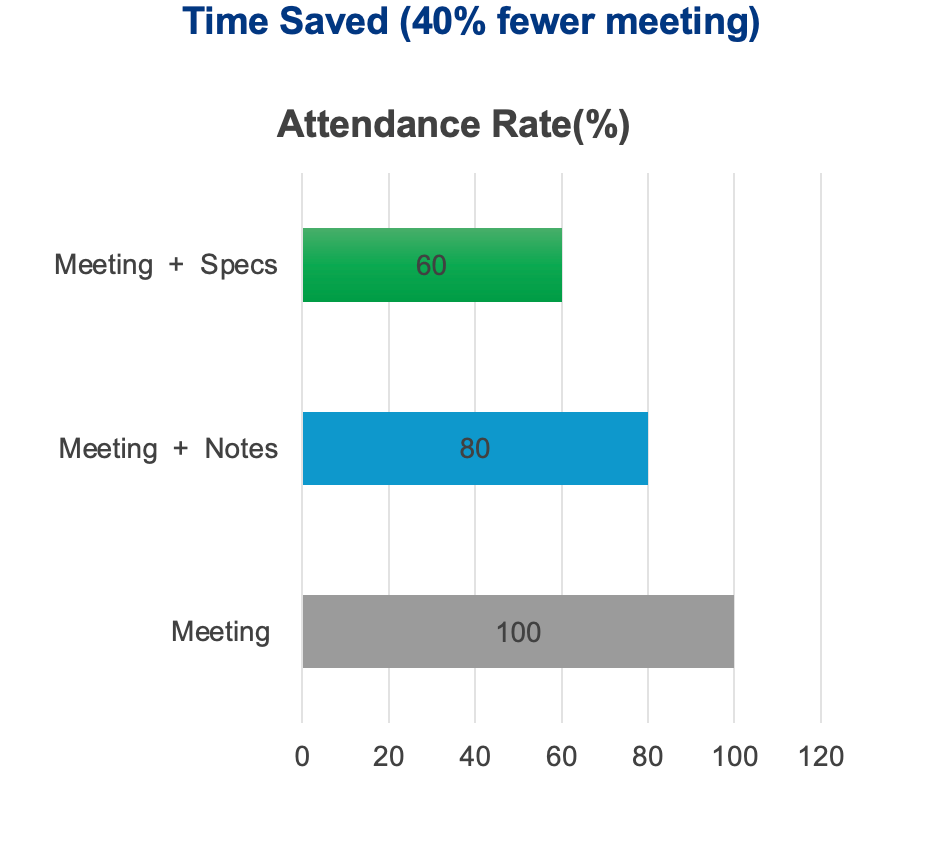
- Faster Iteration: Developers spend less time in “meeting tennis” with AI and more time on high-value tasks like system design, spec review, With structured specs, teams can cut 40% fewer meetings.
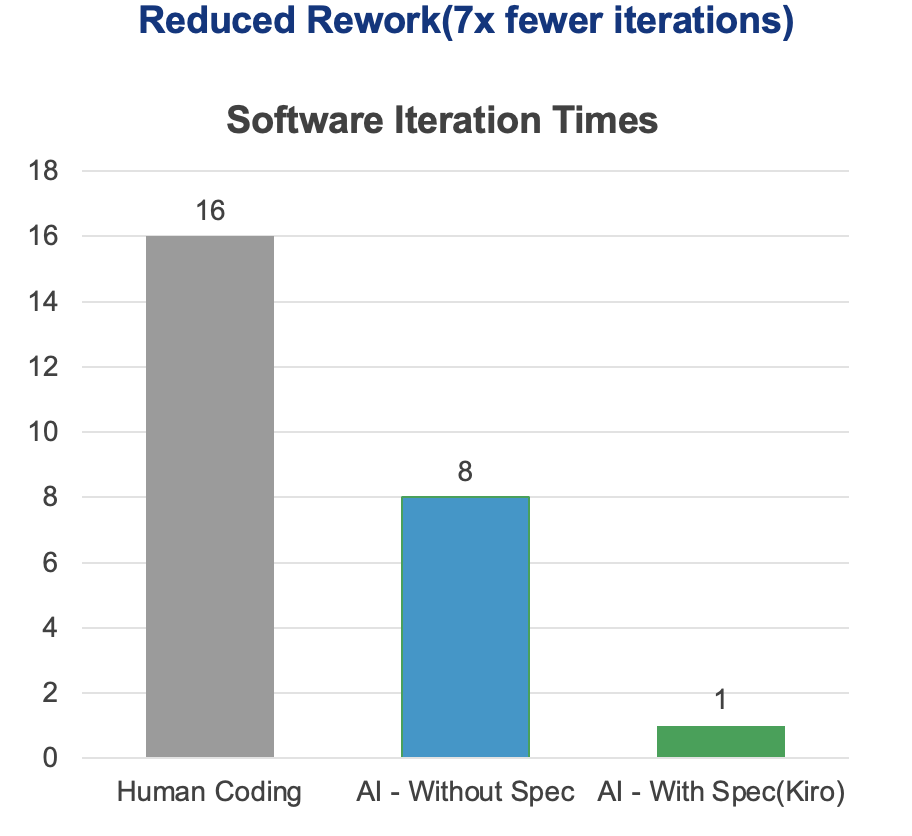
- By forcing a clear definition of requirements upfront, SDD reduces ambiguity and results in less rework and higher-quality, like AWS Kiro, rework drops — 7× fewer iterations than without specs.
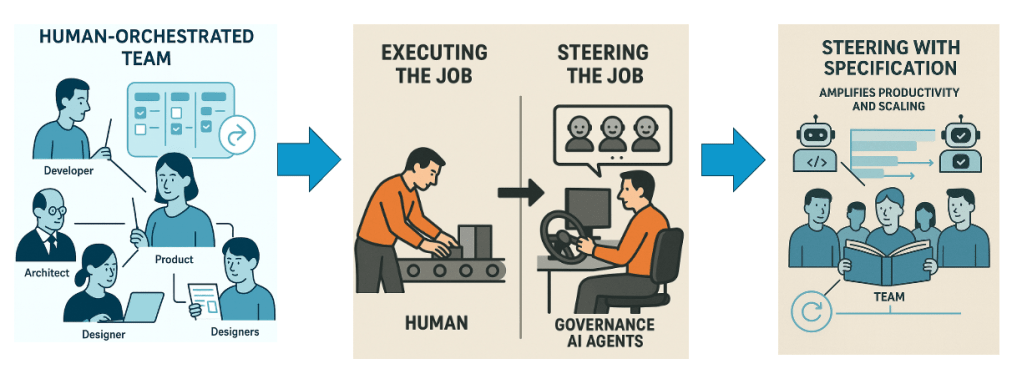
4. Role Exchange: From Execution to Steering
In the SDD paradigm, humans move up the value chain:
| Traditional Role | Future with SDD |
|---|---|
| Developer | Writes and maintains specs, AI writes the code |
| Architect | Defines context boundaries and system desgins |
| QA Engineer | Validates specs and outcomes via spec-based tests |
| Product Manager | Prioritizes spec reuse and spec quality metrics |
The result: Developers spend less time typing and more time steerring.
4. Context Engineering – How specs get selected as Context
New Code tools like (Claude Code, Codex, Cursor, Qwen Code, Trae ai) enable select right specification as context automatically.

if you like to go deeper, it is all about context engineering, Langchain has a good blog to expalin https://blog.langchain.com/context-engineering-for-agents/

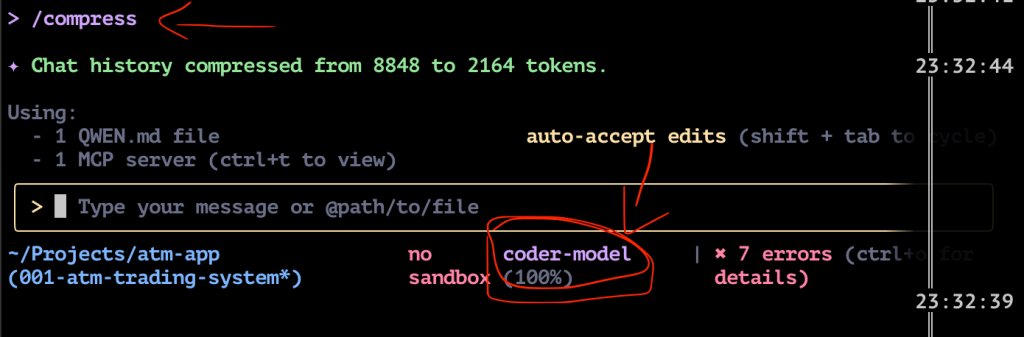
For example, in code cli tool, using compress command, the windows of context becames into 100% free.
5. Spec-Driven Tool (Kiro from AWS), easy understand.
6. Create a New Business idea in practice
An insurance company likes to introduce new Humaniod Robot insurance buiness Model.

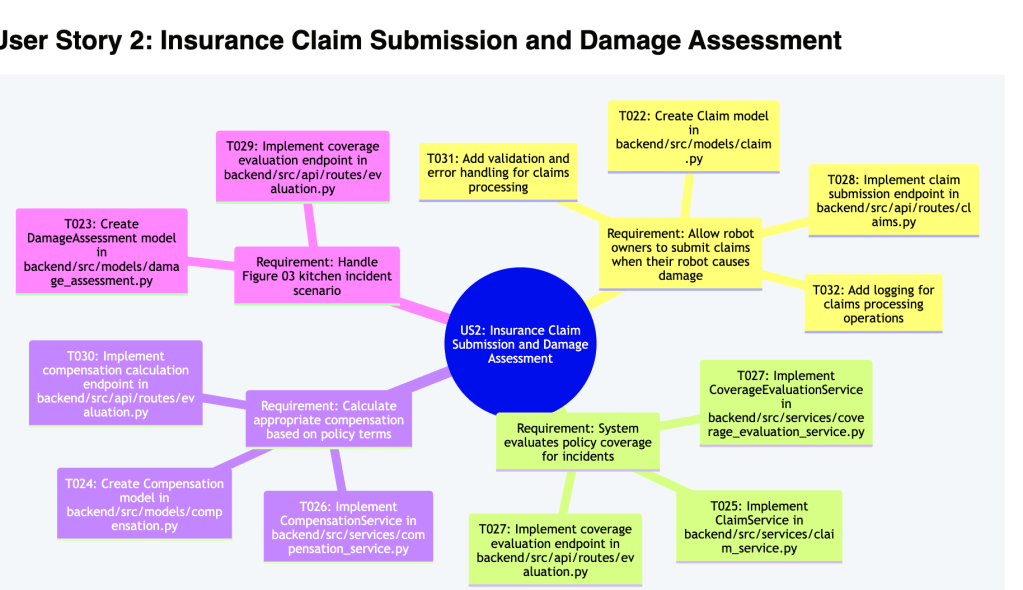
Use Case: In Germany, a Figure 03 humanoid robot cooking in a Miele kitchen lost its camera vision due to smoke from overcooking, causing serious damage to the kitchen.

Accept Criteria: The workflow should demonstrate policy coverage evaluation and calculate the compensation amount provided.
9. Key Takeaways
- Shift your mindset — from how to code → what to build.
- Treat specs as assets, not overhead.
- Use one SDD tool in your next sprint — measure time saved.
- Build a community around shared specs (e.g.
GDPR.md,AI_ACT.md). - Log improvements — time, rework, clarity.
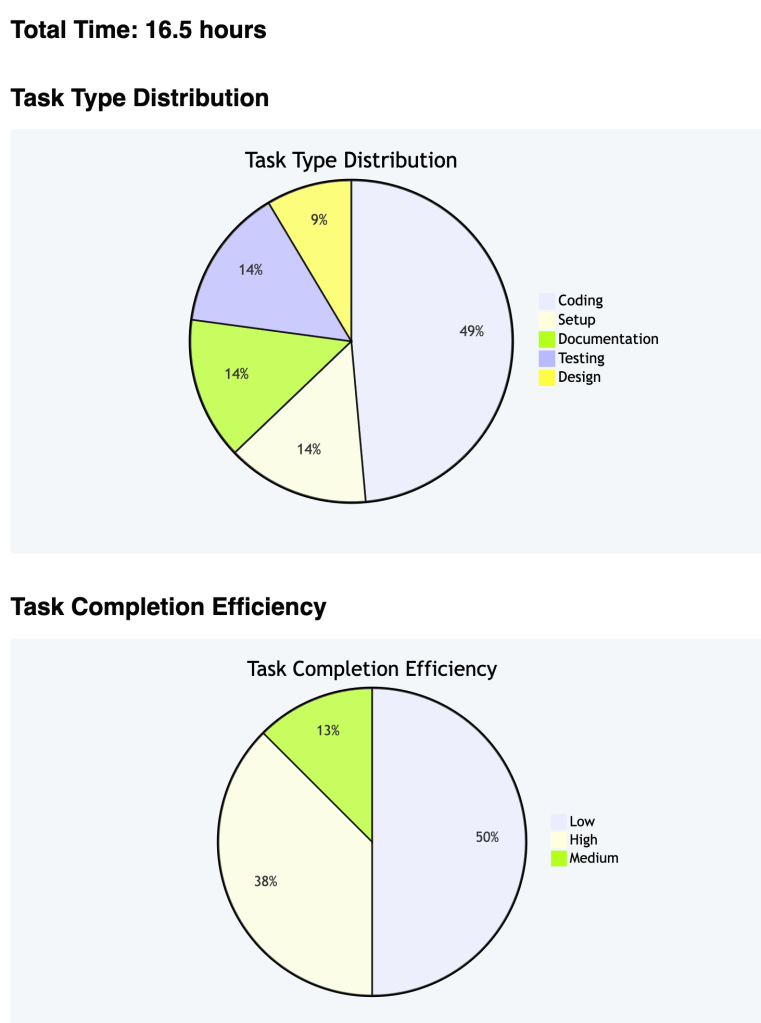
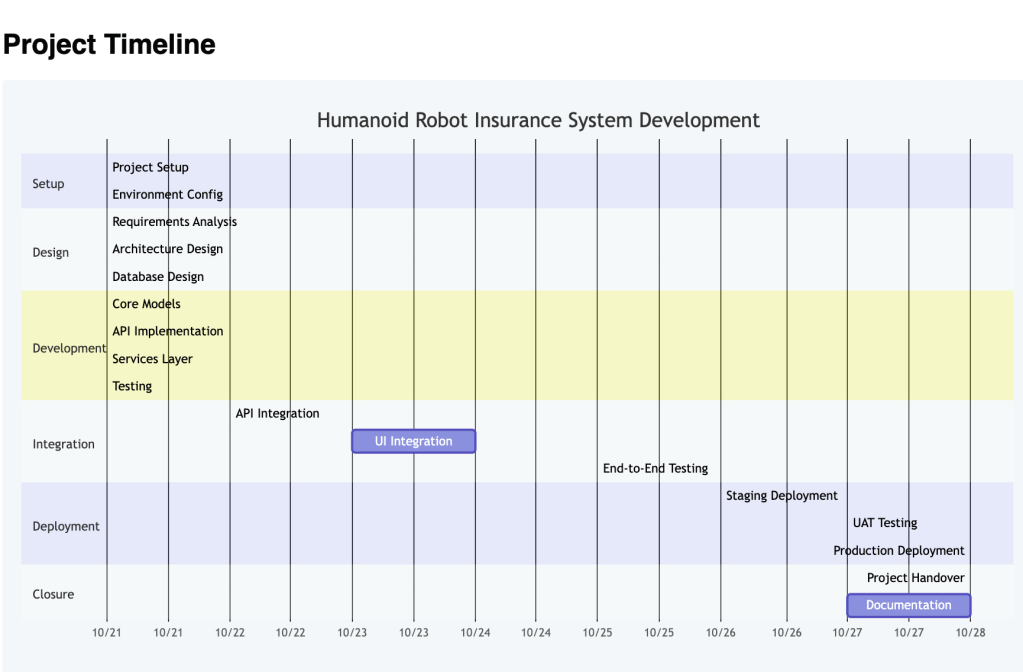
10. Time Spend in this new idea totally
11. Get Started (Technical in detail)
We are using open source stack spec-kit and Qwen cli.
- https://github.blog/ai-and-ml/generative-ai/spec-driven-development-with-ai-get-started-with-a-new-open-source-toolkit/
- https://github.com/QwenLM/qwen-code
uv tool install specify-cli
npm install -g @qwen-code/qwen-code@latest

cd your_project_folder
specify check # it supports many tools, but you need install the one you like.
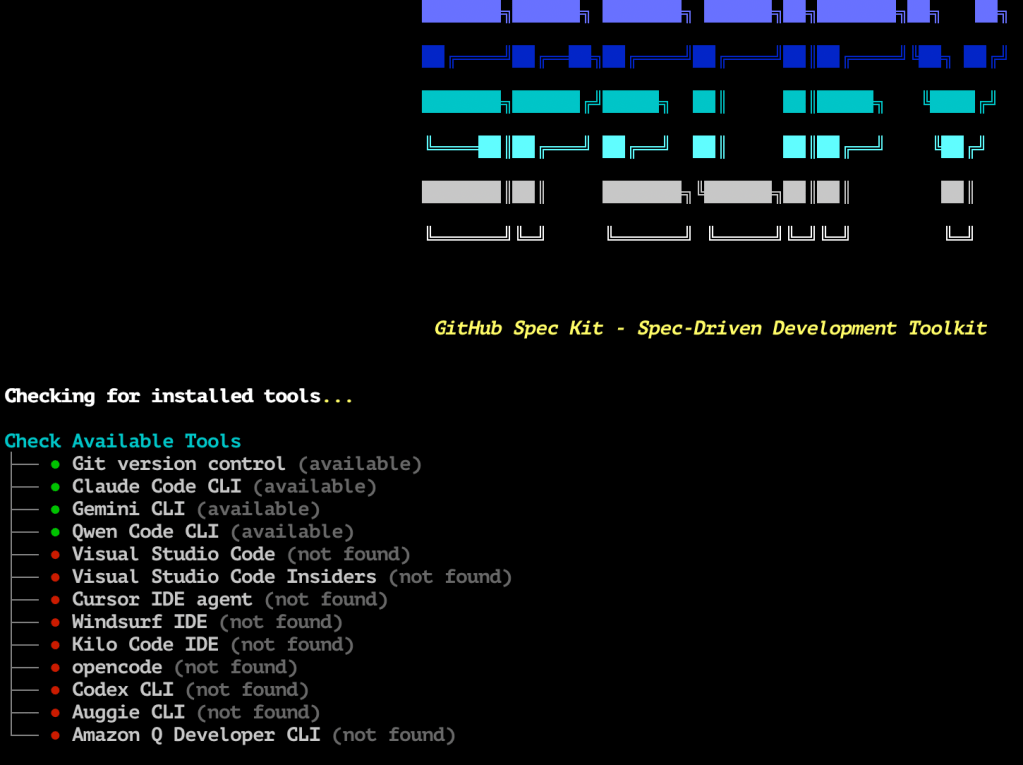
specify.init .
qwen # code cli https://github.com/QwenLM/qwen-code, you will find serval new command specify init/inject into code tools.
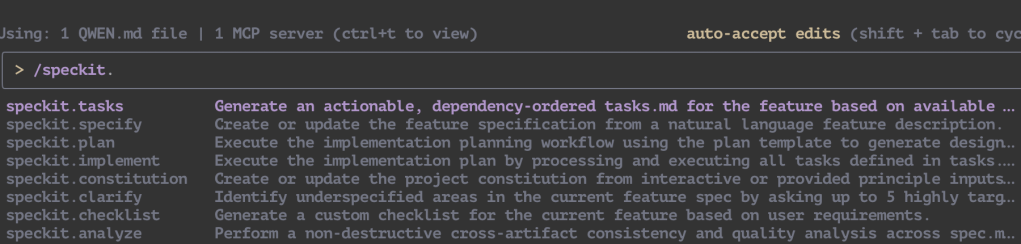
After another 4 commands.
specify.specify
specify.plan
specify.tasks
specify.implement
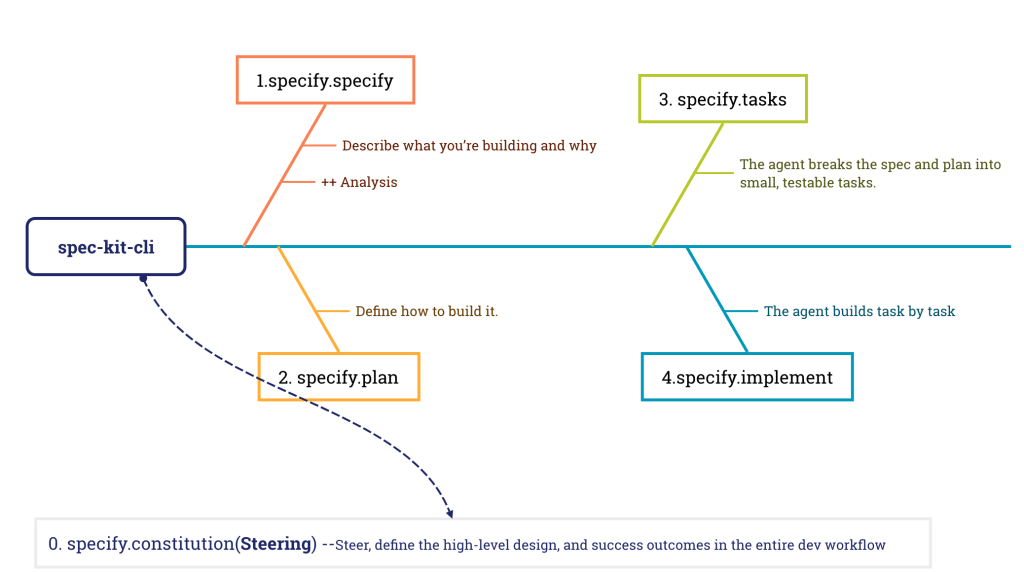
we will have a new business model from idea into reality.!!!
Results Sharing
1.Project Tree with clean Architecture
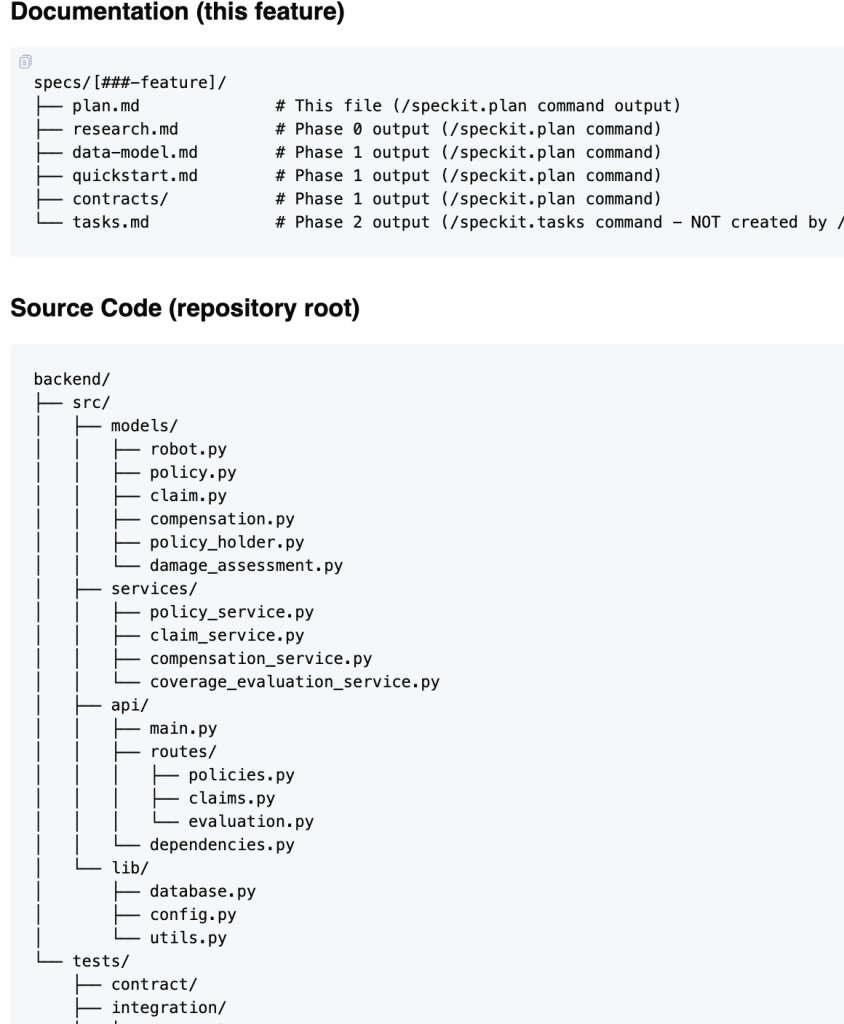
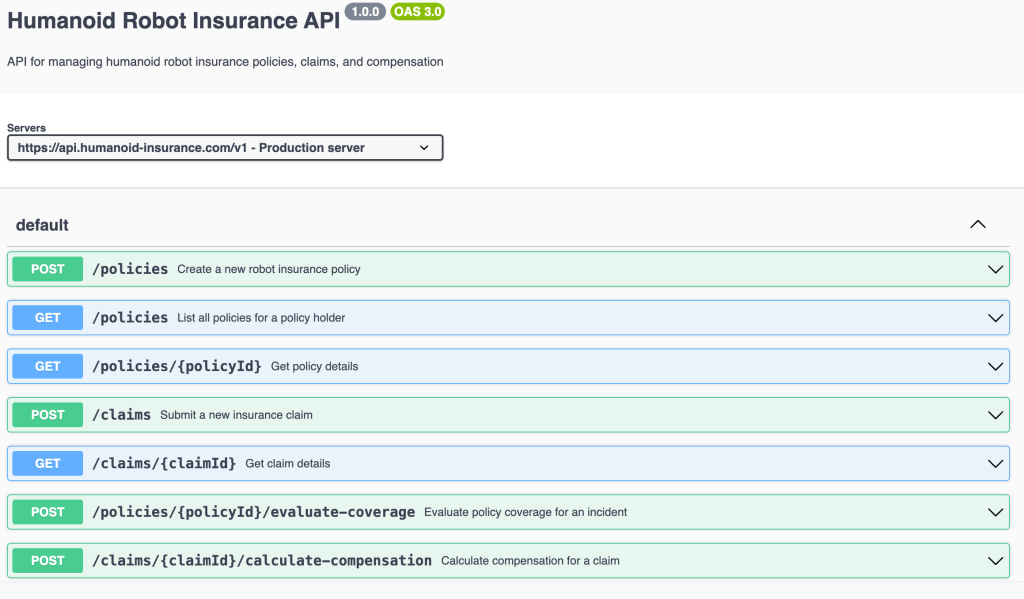
2. OpenAPI 3.0 Contract
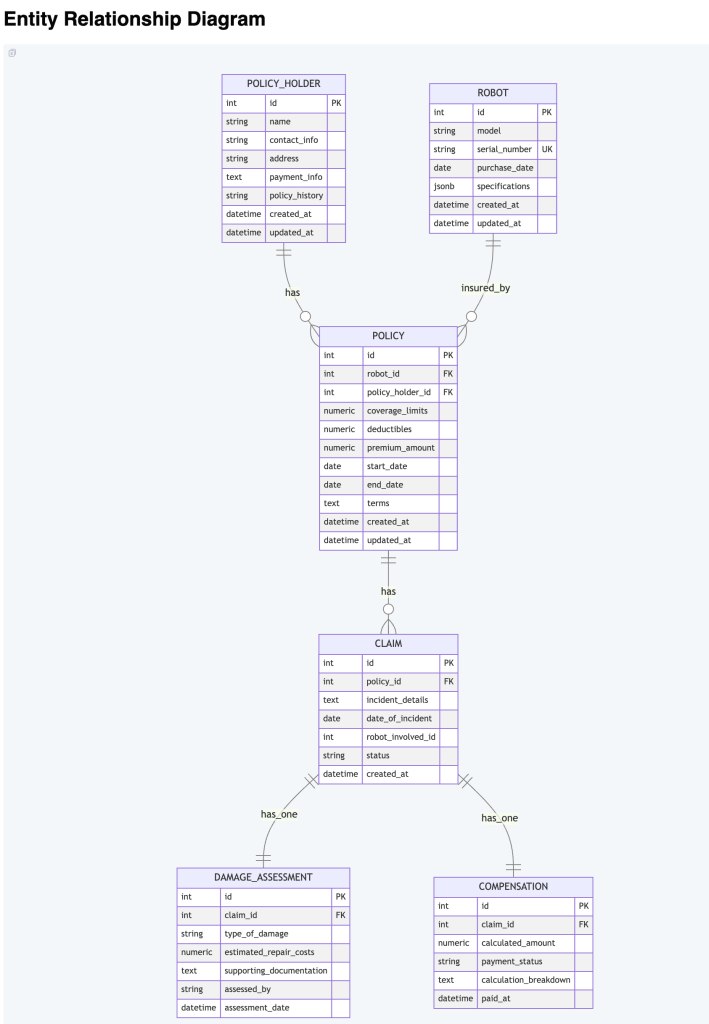
2. Data Model Design
3. Project Timeline
4. User Story analysis
5. Business Data Flow

Closing Words
Thanks for reading! The tools aren’t perfect — not yet — but they’ve helped us immensely in transforming ideas into working products faster than ever before. Martin Fowler team published another high level overview of the tools, you can read it and have another architects team view https://martinfowler.com/articles/exploring-gen-ai/sdd-3-tools.html
 Qunfei@Data, ML and AI Architecture
Leave a comment